As winter approaches, homeowners should be looking after their exterior walls, especially those with silicone renders or other types of renders. Rendered walls, whether cement render, mineral render or acrylic render, look great and are a layer of protection for your home’s structure. However, in cold weather, these surfaces are exposed to harsh weather conditions like heavy rain, cold temperatures, and frost. Without maintenance, your rendered walls can crack, grow biological growth like moss or algae and cause structural damage.
In this article we will look at the challenges your exterior walls face during the cold weather and give you actionable tips to protect your rendered surfaces. You will also see how professional render cleaning services can help maintain the look and energy efficiency of your home and reduce energy bills and damage during winter.
Rendered Walls in Winter Months
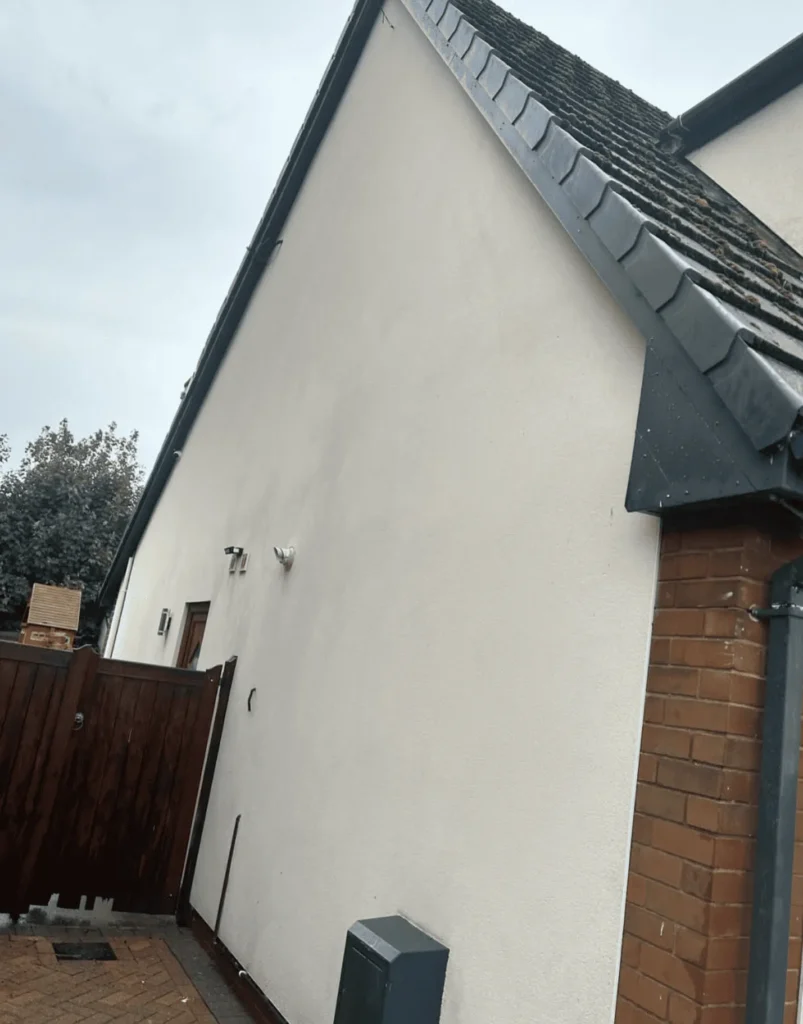
Winter brings a load of challenges for rendered walls, from wet conditions to extreme temperatures. Over time, environmental conditions like rain, frost, and freezing temperatures cause physical damage to the render, especially if cracks or fissures are already present. When water gets to the surface, it expands as it freezes and, if left unaddressed, will require extensive render repairs.
Rendered walls are made of different materials like silicone renders, cement based renders or mineral renders and each type of render reacts differently to cold weather. For example silicone renders are flexible and water resistant so they are popular for homeowners in areas with heavy rain. But cement render cracks in cold temperatures and any moisture trapped in the wall can cause structural damage.
Also your home’s energy efficiency can be compromised if your rendered walls are damaged. Cracks and moss growth on the surface allows cold air to get in your home, increasing energy bills and making your heating system work harder. That’s why maintaining your exterior walls is key to reducing energy bills and preserving your home’s energy efficiency.
How Cold Weather Affects Different Types of Render

Different renders have different levels of durability and cold weather resistance:
- Silicone Renders: Known for their flexibility and water resistance silicone renders are a durable finish for homes in areas with harsh weather. They don’t absorb water easily so reduces biological growth like algae and moss.
- Cement Render: Cement-based renders crack in render due to freezing temperatures. Moisture that gets in the surface expands and causes fissures to form over time, which will require render repairs.
- Mineral Renders: Like cement renders, mineral renders suffer surface damage in cold and damp conditions. Proper maintenance and application of a weatherproof sealant can prevent these renders from absorbing moisture.
Maintaining the aesthetic appeal and energy efficiency of your rendered walls begins with understanding how cold weather and wet conditions affect the materials used during the rendering process.
Steps to Protect Rendered Walls During the Winter Months
1. Check for Cracks and Surface Damage
Before winter hits, check your rendered walls for any cracks or damage. Cracks in render are caused by environmental conditions and should be fixed ASAP. Small cracks that seem harmless in summer can get worse in winter and end up needing render repairs as the freeze thaw cycle causes cracks over time to expand.
If you have delicate render surfaces, watch out for areas that could get damaged from heavy rain or snow. Fix before winter to avoid more costly problems later.
2. Weatherproof Sealants and Coatings
One of the best ways to protect your rendered exterior walls from winter is to apply a weatherproof sealant. This not only shields the surface from heavy rain and moisture but also prevents biological growth like algae and mold which love wet conditions.
For silicone renders, applying a weatherproof sealant is the way to maintain the finish and prevent water from getting into the render. For cement renders and mineral renders, additional coatings are needed to withstand extreme temperatures.
3. Check the Drainage Around Your Home
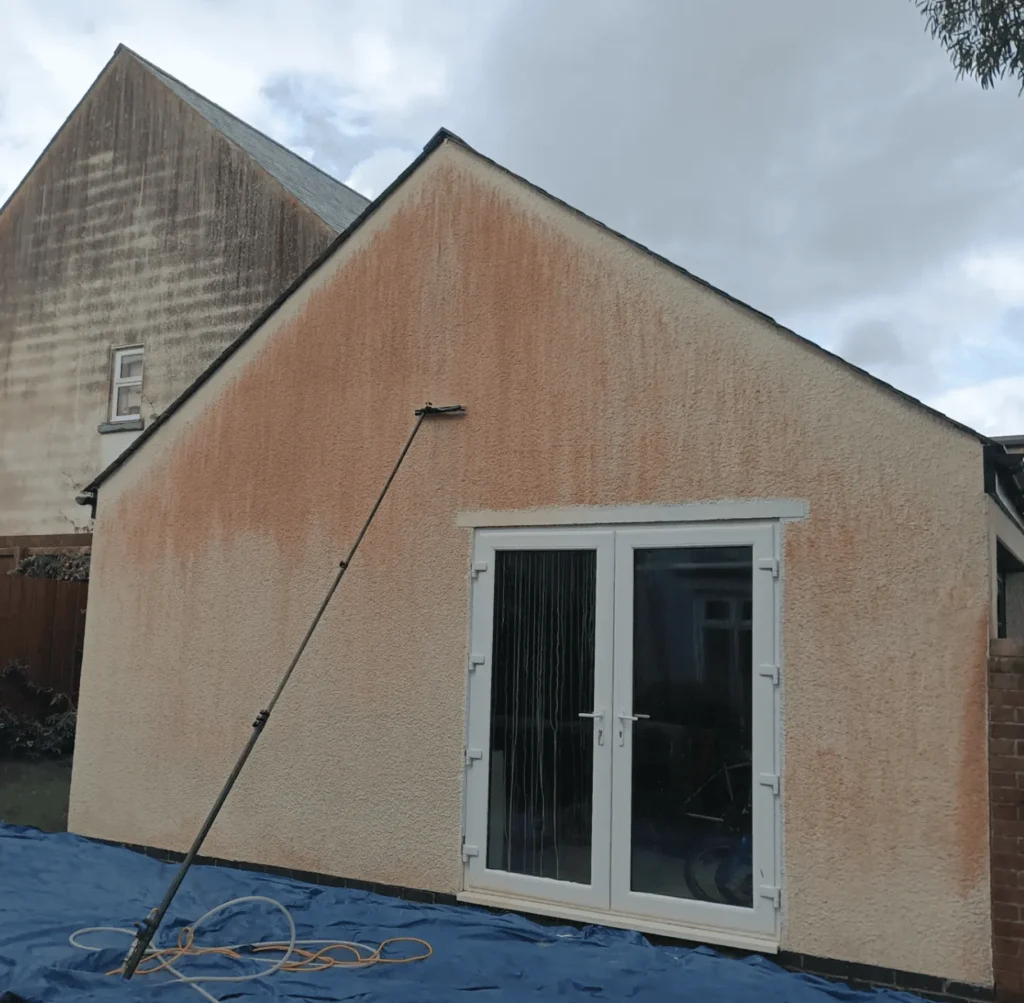
Proper drainage is key to preventing water damage during winter. Heavy rain and melting snow can cause water to pool around your home’s base and cause cracks and damage to your render. Check your gutters, downpipes and drainage systems to make sure they are clear of debris and working properly.
Poor drainage will exacerbate the wet conditions around your home and increase the risk of mould, moss and algae growth. Keep your drainage system clear, and your render and your home will look great.
4. Professional Render Cleaning for Long Term Protection
While regular maintenance can help protect your rendered walls, a render cleaning project with professional render cleaning services will ensure your walls are cleaned thoroughly and without damage. Softwash Render Cleaning and Steam Cleaning are gentle methods used by professionals to remove organic growth, dirt, and grime from rendered surfaces without damaging the underlying material. Render cleaning Melbourne services provide local expertise and solutions tailored to your needs.
Professionals can also identify and fix early signs of damage so the surface remains intact throughout winter. Hiring a knowledgeable team will also reduce the risk of accidental damage that can happen if DIY cleaning methods are used incorrectly.
5. Clean your Render Regularly to prevent Algae and Moss Growth
Moss and algae love the wet conditions of winter. By cleaning the surface with clean water and gentle detergents regularly you can prevent them from embedding into the render. If left to grow they will not only detract from your home’s curb appeal but also accelerate surface damage which will cost you more in energy bills due to compromised insulation.
The soft wash is great for removing moss and algae from delicate render surfaces. This method uses low-pressure water and cleaning solutions to clean the render without damaging it.
Why Winter Render Cleaning for Energy Efficiency

Keeping your rendered walls clean and undamaged is key to your home’s energy efficiency in winter. Cracks and gaps in the render can reduce the effectiveness of external wall insulation systems, letting cold air in and increasing your energy bills. By keeping your render intact, you help your insulation work better and reduce your heating costs.
Sealing cracks, improving drainage and regular render cleaning are the key to keeping your home warm and energy efficient in winter. Plus well maintained renders will reduce moisture penetration so the insulation beneath like cavity wall insulation or insulation boards will be preserved.
In addition to energy efficiency keeping your render clean and crack free will keep your home looking good even in the colder months. Clean walls will improve the look of your home and its value.
So there you have it, keeping your rendered walls protected in winter is key to your home’s looks, energy efficiency and structure. Clean, seal and drain and your home will be safe from the winter and heavy rain.
FAQ
Why clean rendered walls in winter?
Cleaning your rendered walls in winter stops dirt, moss and algae growing in the wet conditions. Keeping the surface clean means water can’t get into the render and reduces the risk of cracks and lowers your bills by improving insulation.
What are the benefits of silicone renders in cold weather?
Silicone renders are water-resistant and flexible, perfect for homes in cold areas. They can withstand heavy rain and moisture so cracks don’t form and your home looks great and you don’t need to do render repairs.
How often should I clean my rendered walls in winter?
Rendered walls should be cleaned at least twice a year, once before winter to prepare for the harsh weather and once after winter to clean up any organic growth or dirt. But if you live in an area that gets heavy rain and moss growth, you may need to clean more often to keep your home looking good and structurally sound.
How can render cleaning reduce energy costs?
By removing dirt and biological growth from your rendered walls you help the render to protect the home from cold weather. Clean and crack free renders reduce air leakage and improve external wall insulation systems performance, so your bills will be lower as your home is more energy efficient.
Do I need to get professional render cleaning in winter?
Yes, professional render cleaning means your walls are cleaned with the right techniques, soft washing or steam cleaning, without damaging the surface. Professionals are trained to handle delicate render surfaces so your home is protected for years to come.